Suits
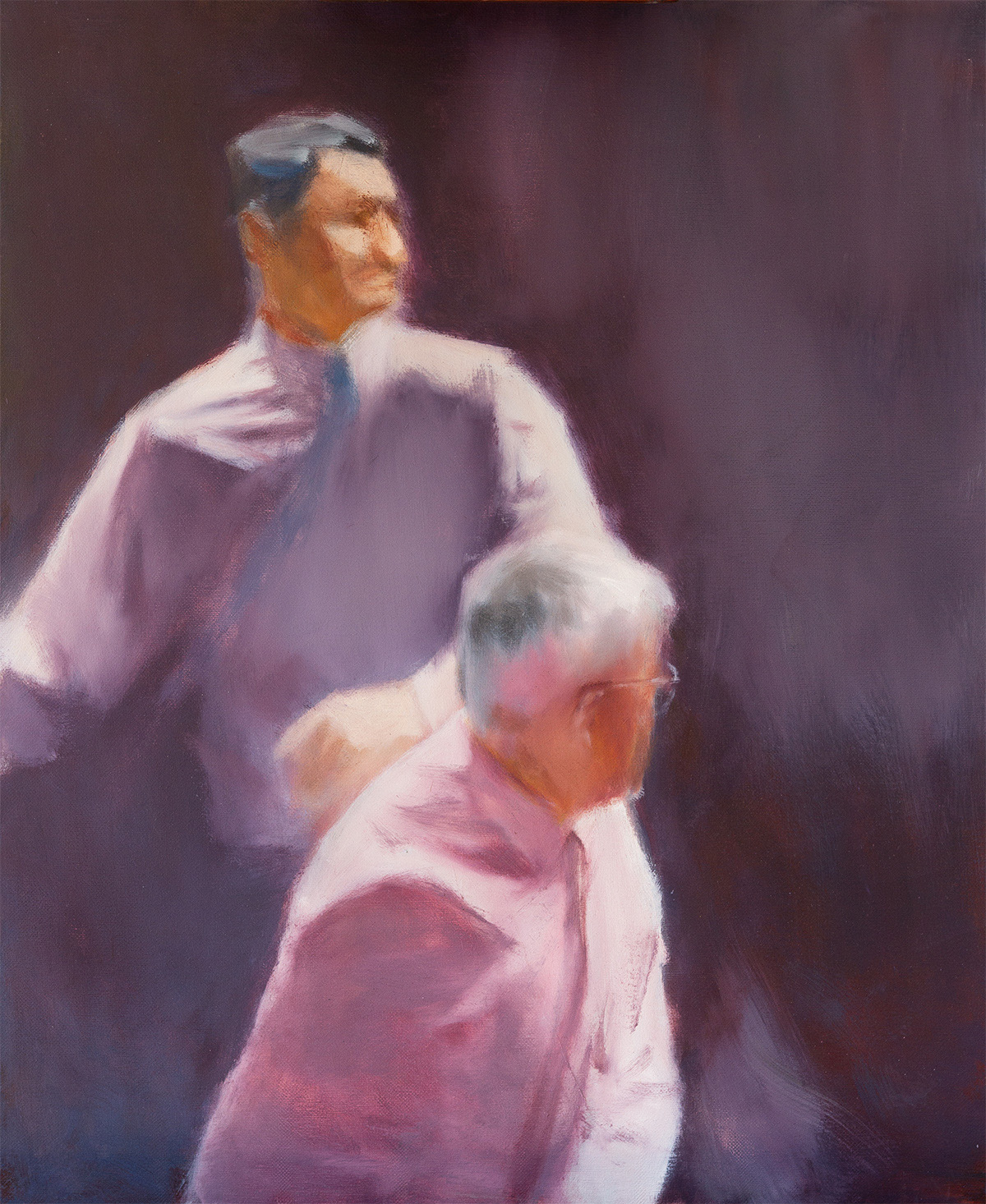
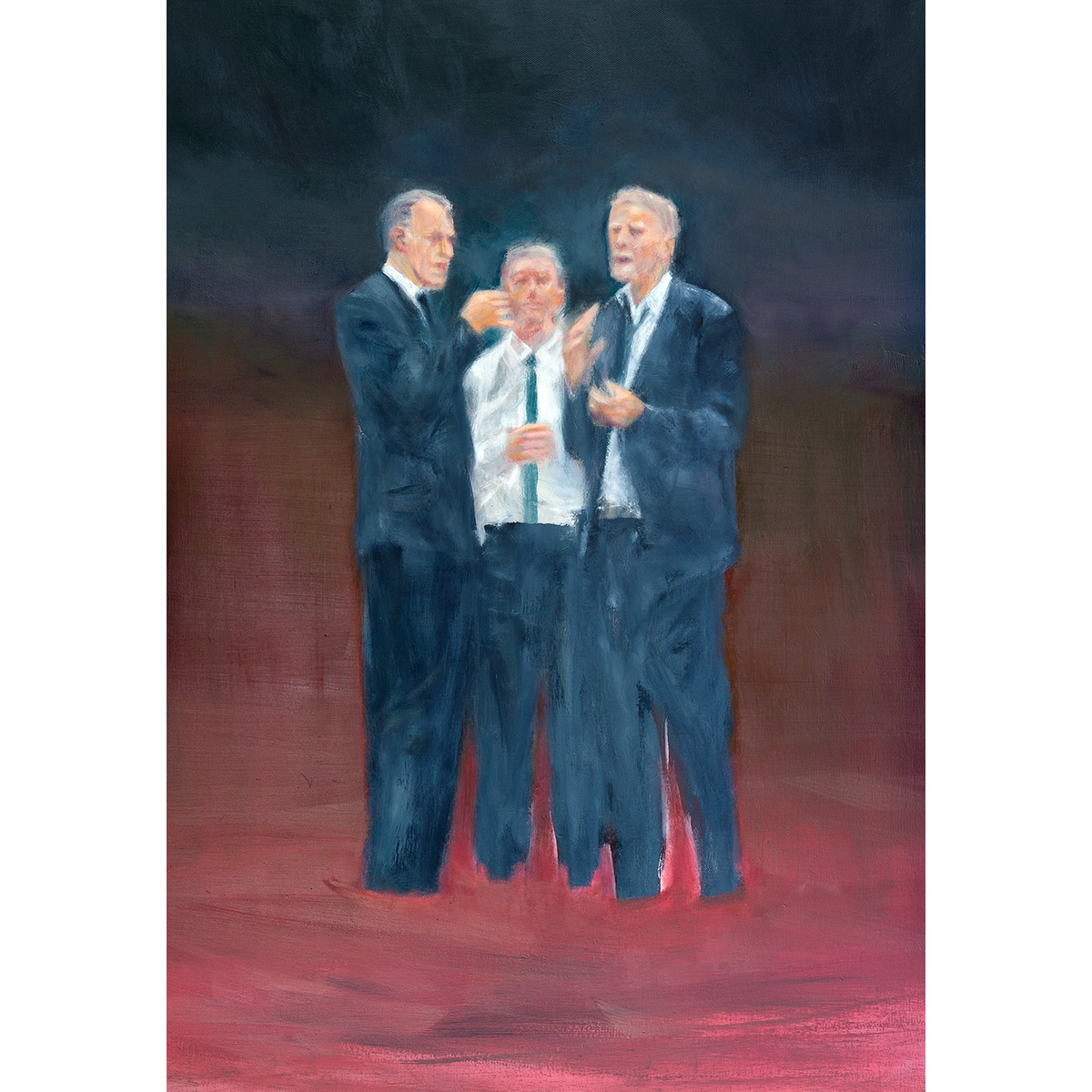
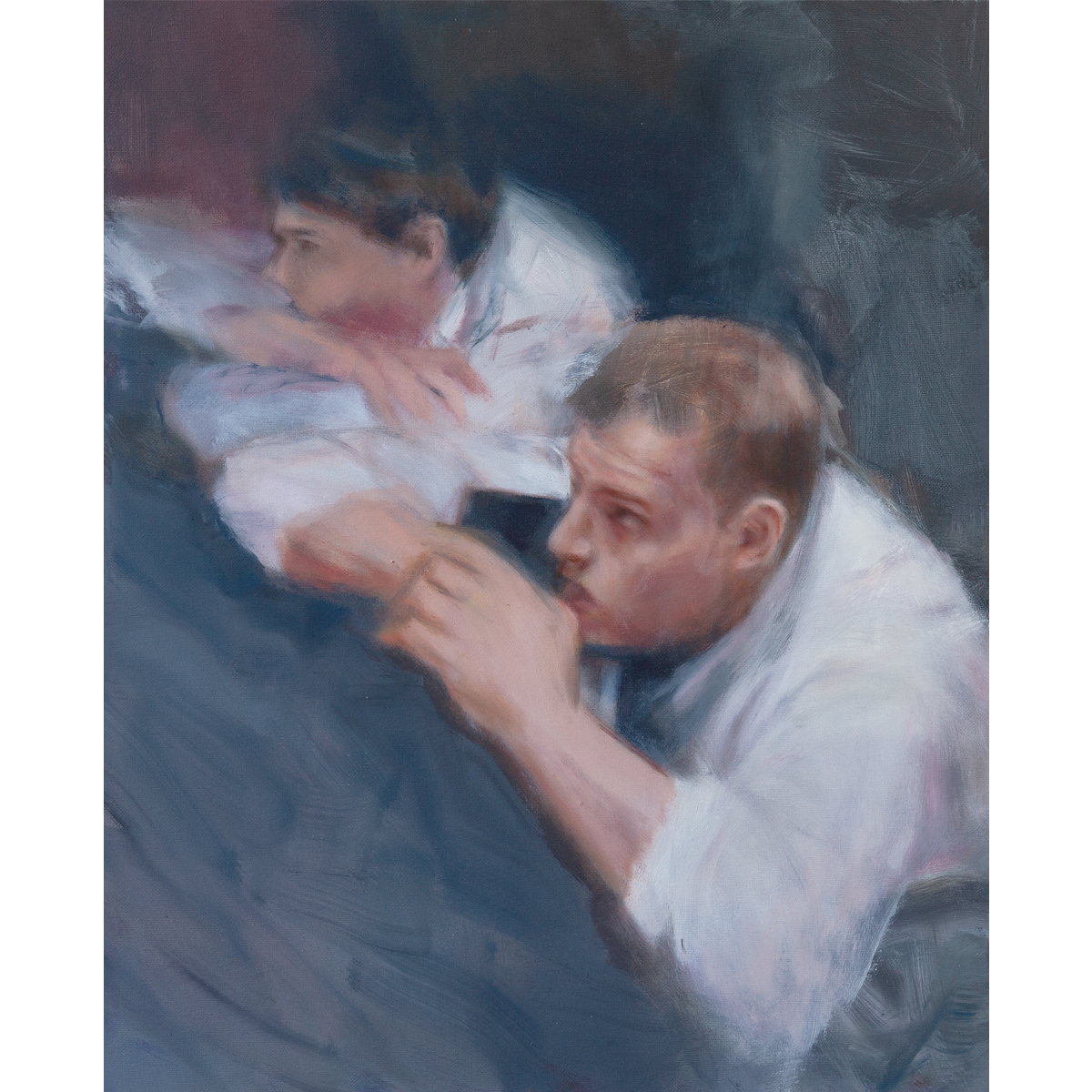
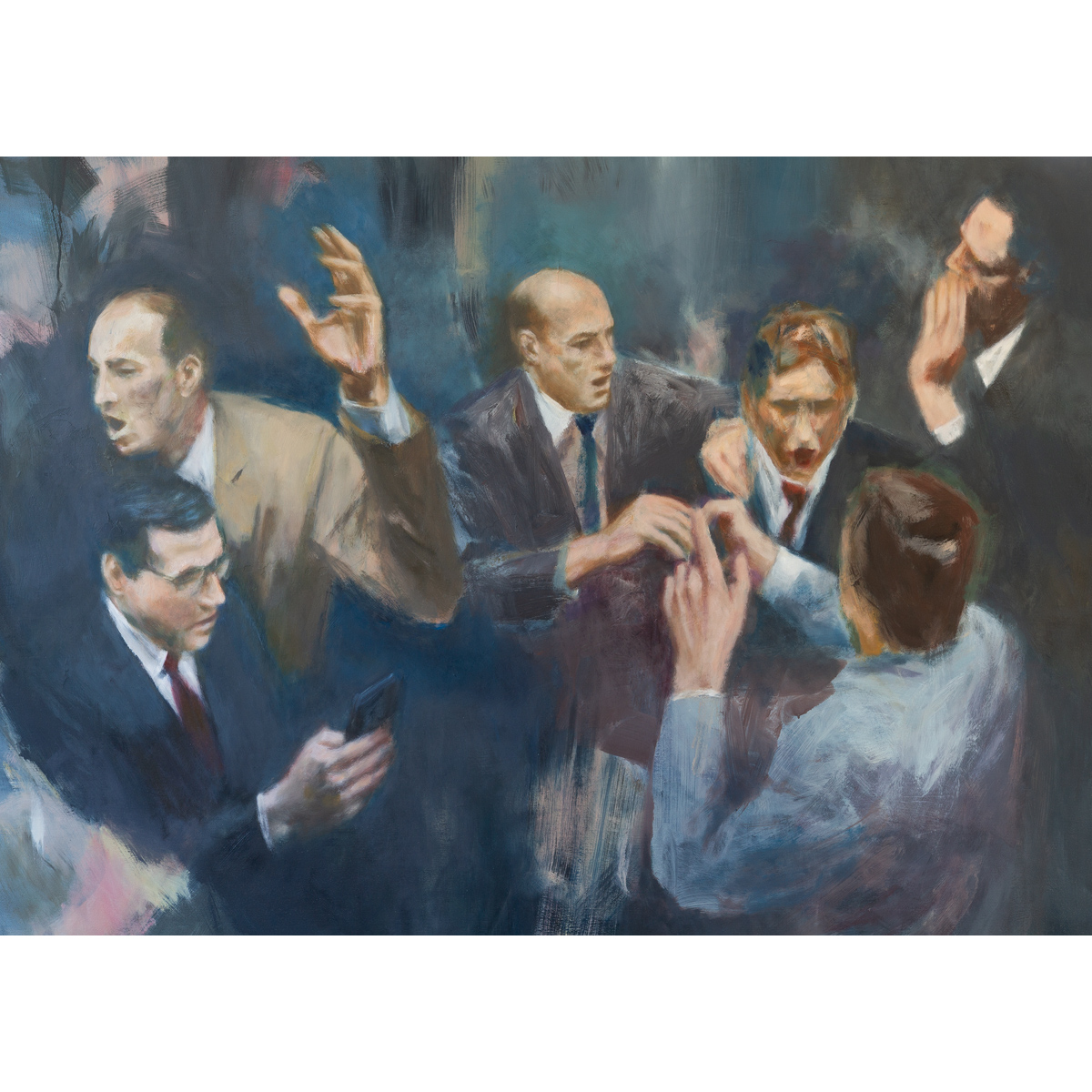
A man’s suit. A political and economic symbol. The attire of power, an almost too obvious marker of those who hold power — or at least claim it, aspire to it.
And yet the suit is losing ground. Only the old and powerful still seem to enjoy wearing it.
It remains compulsory in banking, multinational corporations, the upper ranks of government and politics. These circles are devoted to the suit; they adore it and feed on it. Men parade in their finery, comparing themselves, sizing one another up by the cut of a jacket. It is a civilian uniform with tightly controlled variations, the combat fatigues of those who truly run the world.
+ 5%
Type: Original painting — one of a kind
Year: 2025
Medium: Oil on canvas
Dimensions: 65 × 92 cm
Unframed
Worldwide shipping included
Estimated delivery: 7–10 days
Import duties and local taxes, where applicable, are not included.
-6%
Type: Original painting — one of a kind
Year: 2025
Medium: Oil on canvas
Dimensions: 50 × 60 cm
Unframed
Worldwide shipping included
Estimated delivery: 7–10 days
Import duties and local taxes, where applicable, are not included.
-17%
Type: Original painting — one of a kind
Year: 2025
Medium: Oil on canvas
Dimensions: 130 × 97 cm
Unframed
Worldwide shipping included
Estimated delivery: 7–10 days
Import duties and local taxes, where applicable, are not included.
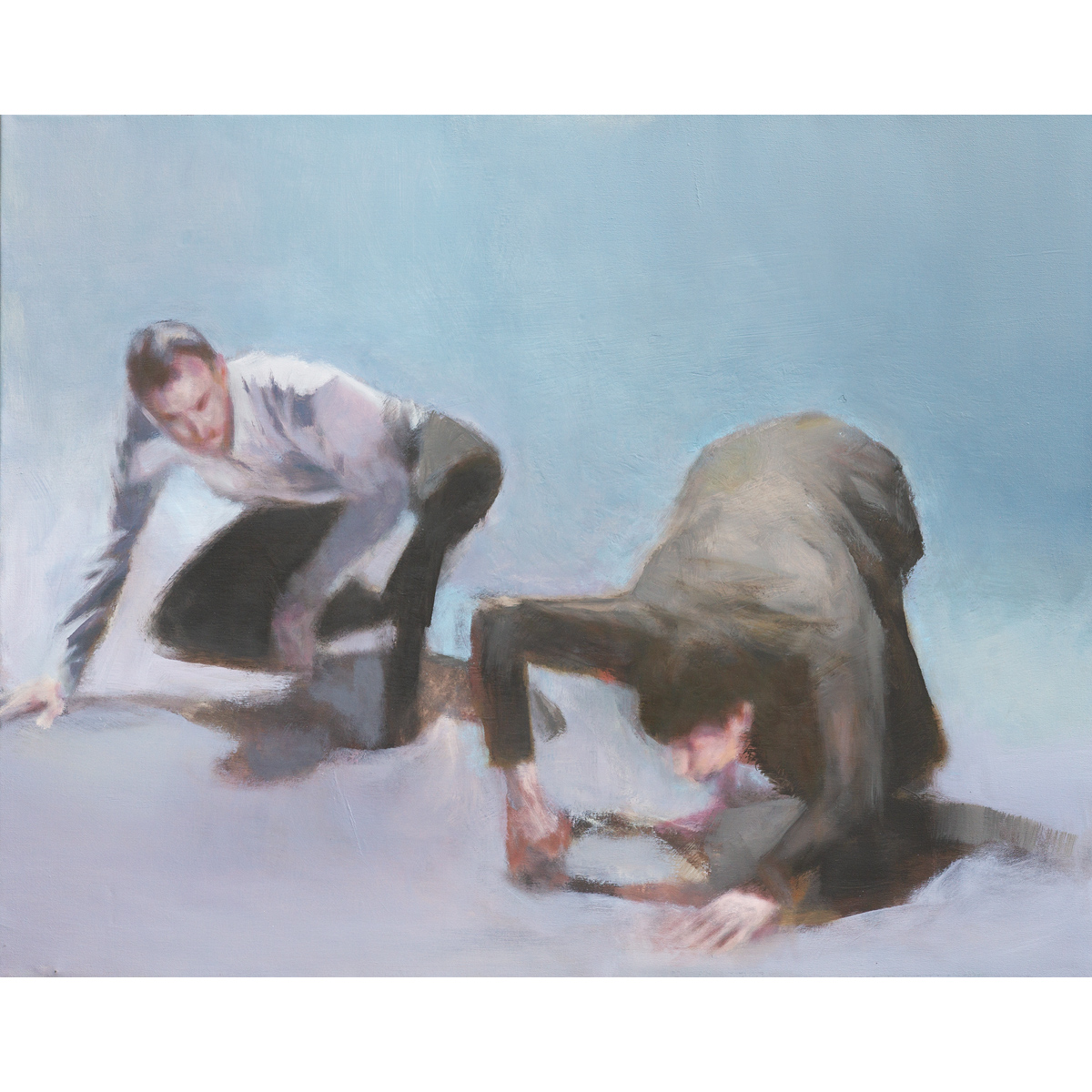
Costumes
Type: Original painting — one of a kind
Year: 2026
Medium: Oil on canvas
Dimensions: 92 × 73 cm
Unframed
Worldwide shipping included
Estimated delivery: 7–10 days
Import duties and local taxes, where applicable, are not included.
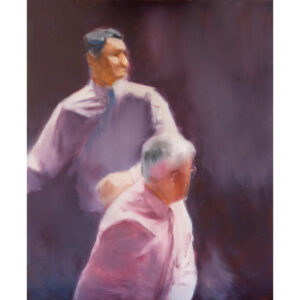
Leverage
Type: Original painting — one of a kind
Year: 2026
Medium: Oil on canvas
Dimensions: 50 × 60 cm
Unframed
Worldwide shipping included
Estimated delivery: 7–10 days
Import duties and local taxes, where applicable, are not included.
As this fashion declines, another imposes its own codes: cool. Can the suit adapt to this new imperative? Avoid looking outdated, appear free in both movement and thought. Gangsters, crooners and pre-war mobsters invented the gleaming blazer, the flashy pinstripe, the purple pocket square. Today, webmasters and self-employed consultants are busy imposing the unstructured jacket, the deliberately mismatched look, the studied nonchalance of jeans and sneakers. Another suit. One tyranny replaces another.
This is not a new class struggle, but yet another shifting of the lines, allowing new conquerors to slip into old preserves.
The slow disintegration of the classic suit is a generous source of inspiration. It embodies financial power at work in every corner of the world, blindly draining its last drops of blood. With no desire to change course, no awareness of danger, comfortably installed in a system of 100% cool wool, immaculate, without crease or tear.
Financiers dressed for the long headlong rush, jackets tailored for an exhausted system, silk-lined to see humanity through to its ruin.
I paint these kings at the end of their reign as furious, living contradictions.
Cécile Reyboz
