Flowers
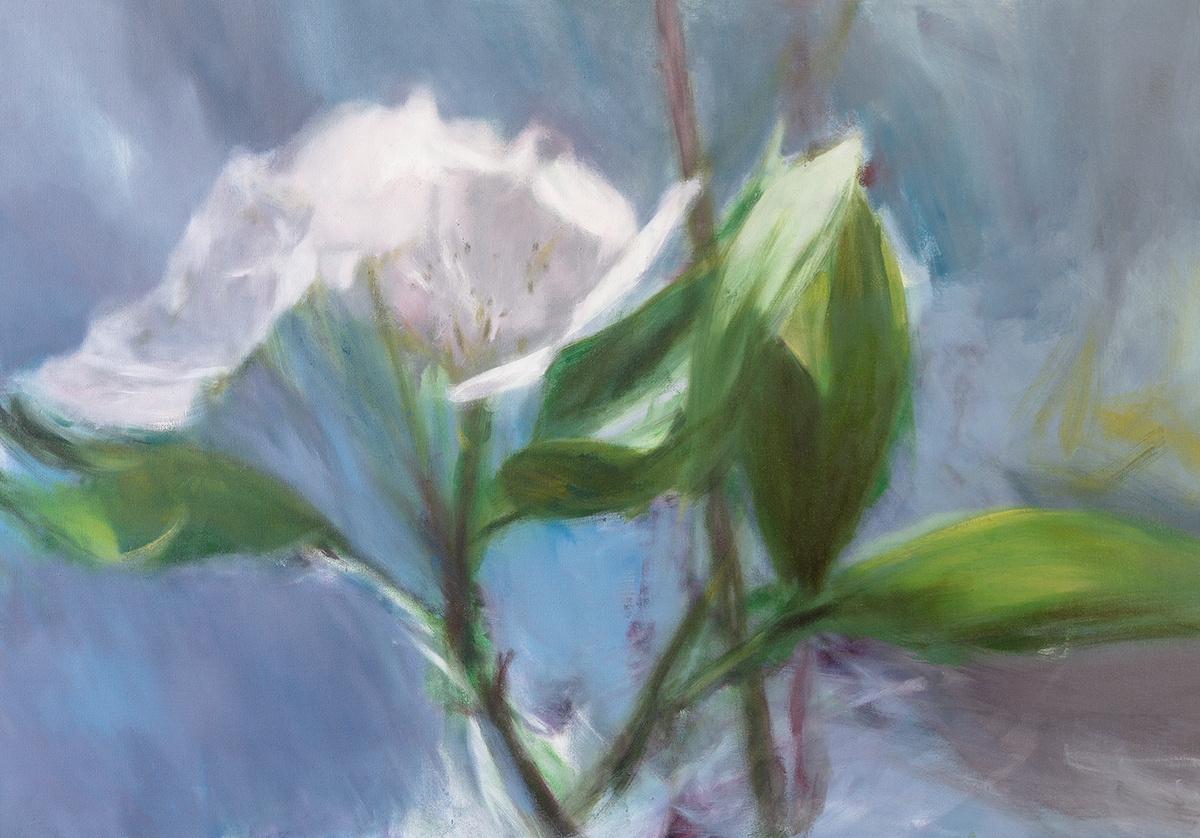
These are not bouquets. Nor flowerbeds, sketches, studies from life or botanical observations.
Rather, the paintings seek to restore the flower as we remember it, as we long for it, as we see it again from the depths of winter, the heart turned slightly bitter.
Recent works
A selection of original paintings currently available.
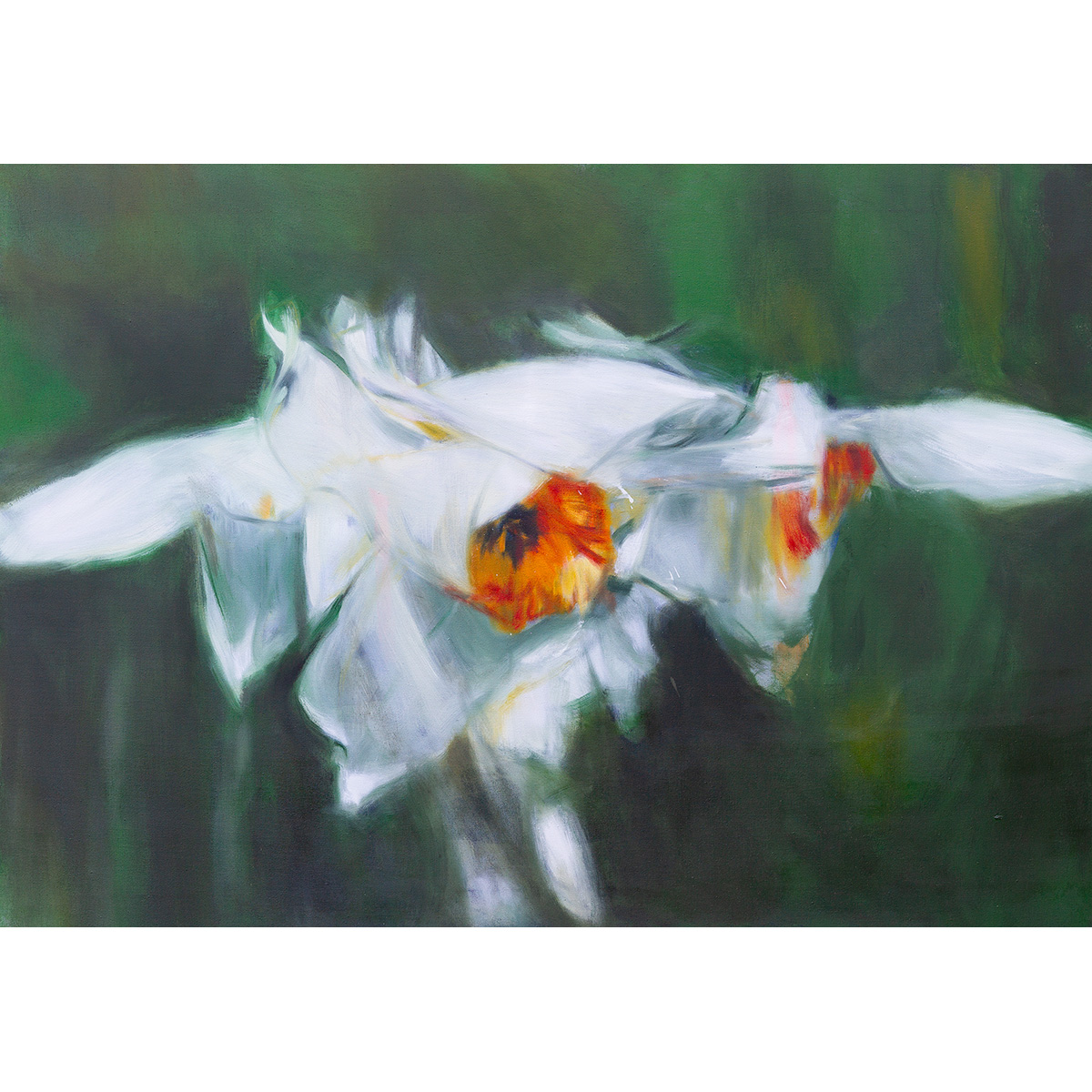
Narcissus
Type: Original painting — one of a kind
Year: 2025
Medium: Oil on canvas
Dimensions: 92 × 65 cm
Unframed
Worldwide shipping included
Estimated delivery: 7–10 days
Import duties and local taxes, where applicable, are not included.
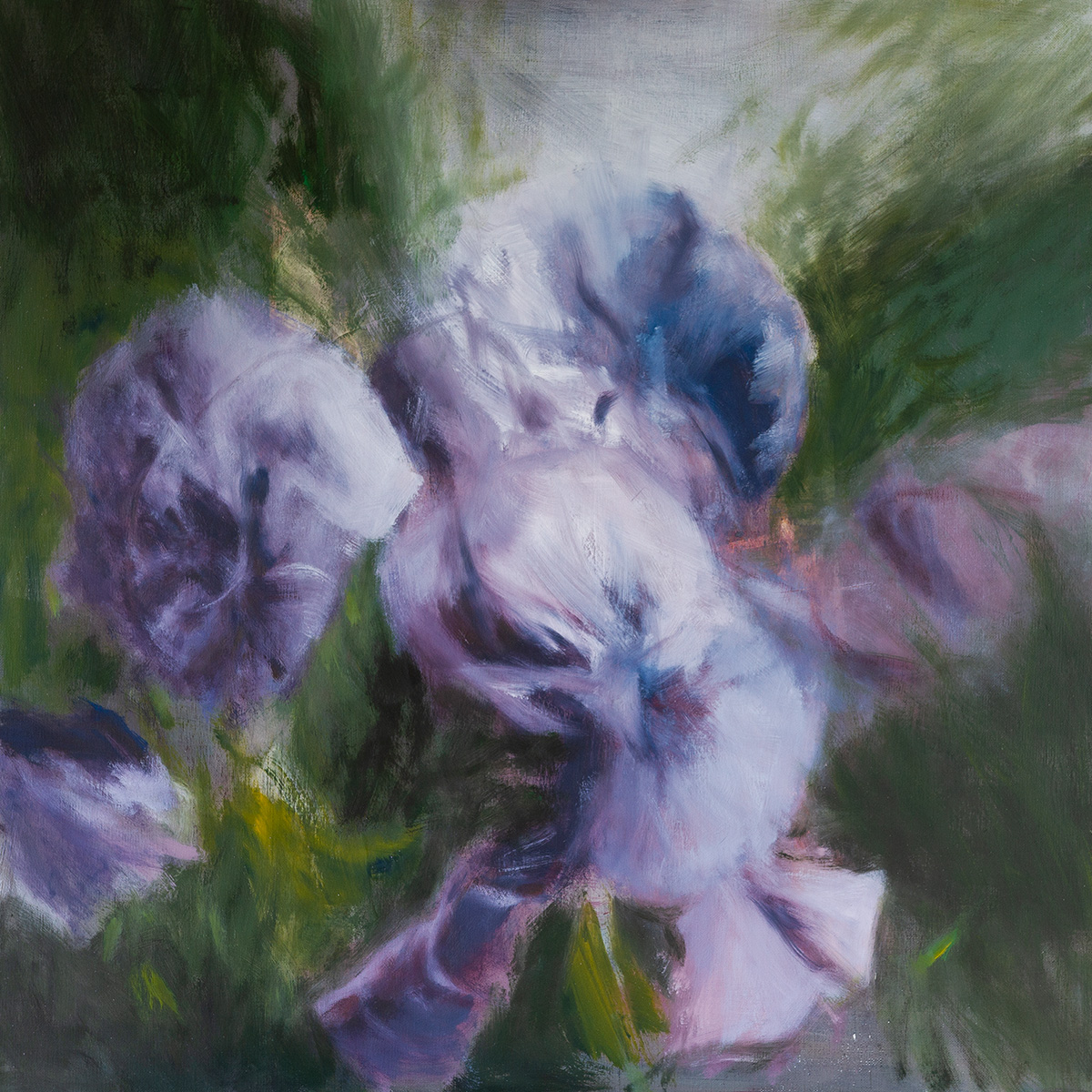
Viola
Type: Original painting — one of a kind
Year: 2025
Medium: Oil on canvas
Dimensions: 80 × 80 cm
Unframed
Worldwide shipping included
Estimated delivery: 7–10 days
Import duties and local taxes, where applicable, are not included.
Catalpa
Type: Original painting — one of a kind
Year: 2026
Medium: Oil on canvas
Dimensions: 92 × 73 cm
Unframed
Worldwide shipping included
Estimated delivery: 7–10 days
Import duties and local taxes, where applicable, are not included.
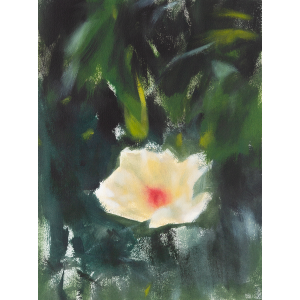
Single yellow rose
Type: Original painting — one of a kind
Year: 2025
Medium: Oil on paper
Dimensions: 30 × 40 cm
Unframed
Worldwide shipping included
Estimated delivery: 7–10 days
Import duties and local taxes, where applicable, are not included.
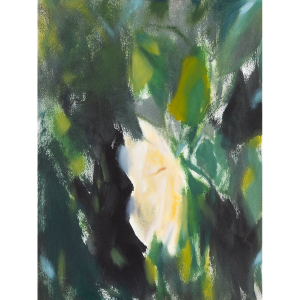
Single yellow rose (2)
Type: Original painting — one of a kind
Year: 2025
Medium: Oil on paper
Dimensions: 30 × 40 cm
Unframed
Worldwide shipping included
Estimated delivery: 7–10 days
Import duties and local taxes, where applicable, are not included.
Painting the Moment of Emergence
For a long time, Patrick Vandecasteele painted the human figure. What distils it to its essence, its social silhouette. In a suit or a shirt, half dancer, half boxer, poised within the balance of a posture, solitary even among others. Stubborn, lost, yet alive.
And now, one might think, he has turned to painting flowers.
And yet.
These are not bouquets. Nor flowerbeds, sketches, studies from life or botanical observations.
Rather, the paintings seek to restore the flower as we remember it, as we long for it, as we see it again from the depths of winter, the heart turned slightly bitter.
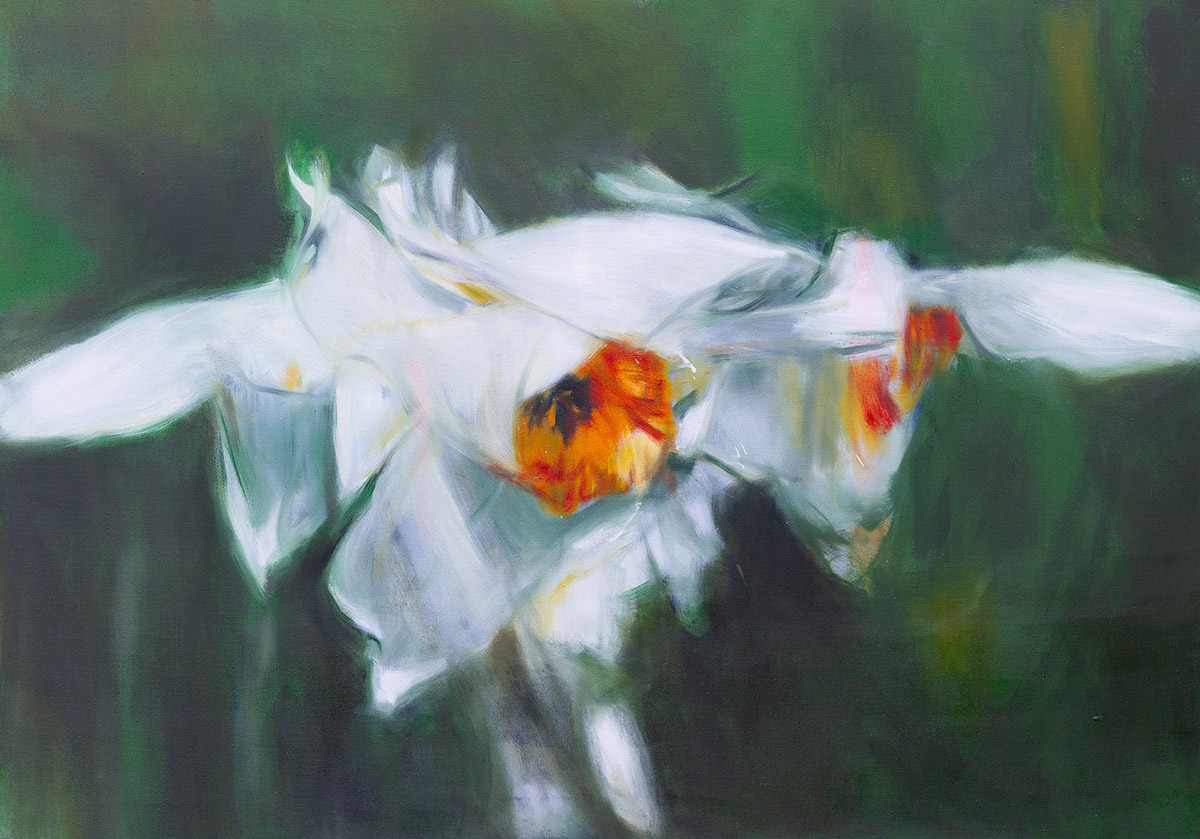
When the flower becomes an idea, a distant form, like warmth, light, a mild breeze, the scents of sap, manure and freshly cut fields.
We know what it is like; we know it will return: beneath a sky bleached by the sun, along a path trembling with insects, through a hollow at the edge of a forest, clusters of flowers brush past us, wild or cultivated by those whose house stands a little further up the hill. We walk with no purpose other than walking, perhaps humming to ourselves, breathing.
Then, emerging from a stretch of shadow, suddenly we are facing the sky. We blink, but at the edge of our field of vision there has been just enough time to register a flower. Appearing like a burst of laughter, open, with no visible stem, in full glory even though a few rains have already bruised it.
“This beautiful sky, with the leaves of a lilac hanging within it,” wrote Ramuz.
It is a purple iris, already beginning to fade. The thick, sensuous petals of an old magnolia we thought was dead. A trembling cluster bursting from the leaves of a lilac, an apple tree or a pear tree, plaster-white with the faintest blush of pink.
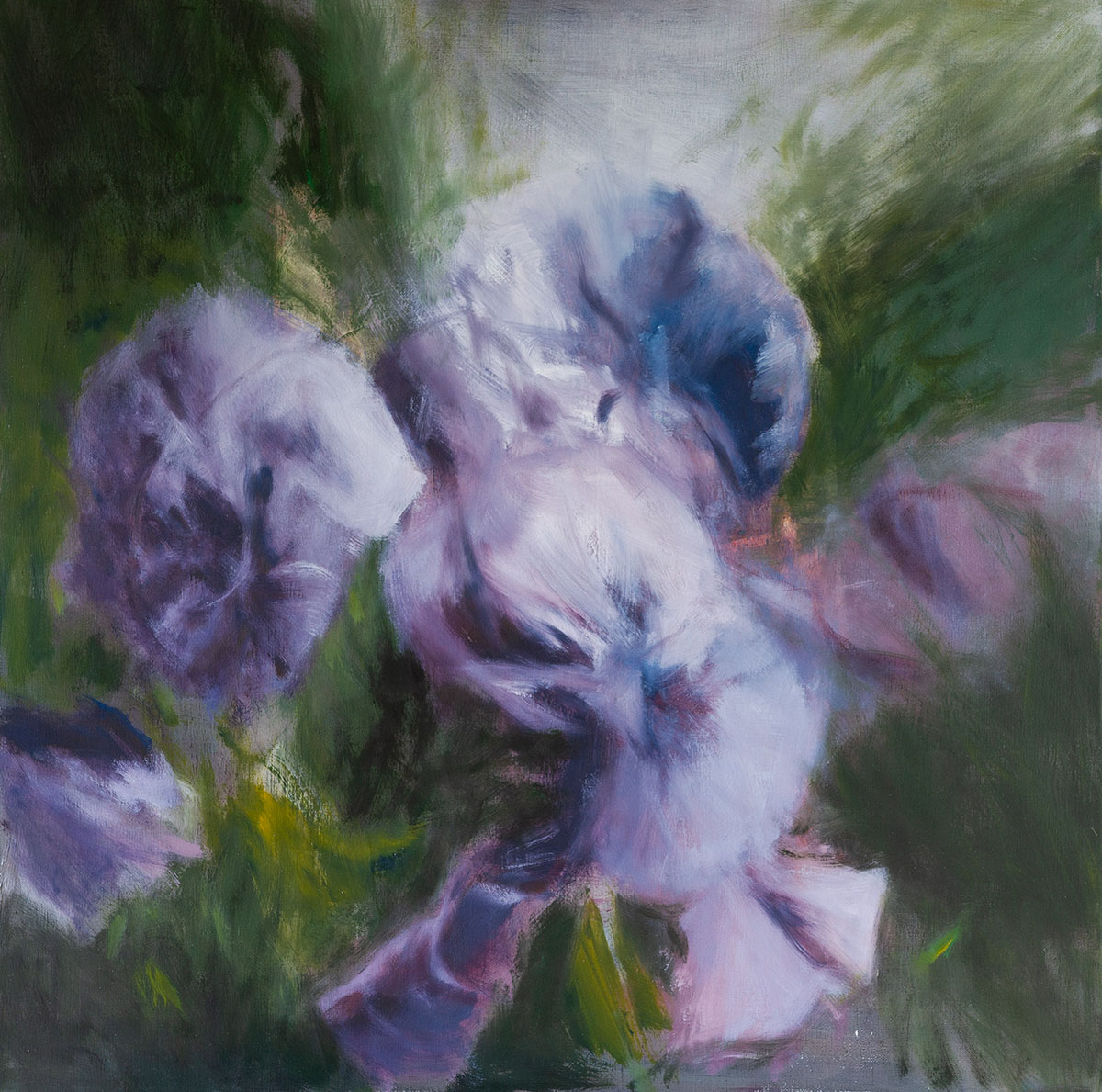
A fleeting vision, imprecise or even fragmentary, yet what remains with us exactly is that sudden emergence of colour, its perishable life, its silent joy.
These flowers live in our memory, like hopes: capable of fading, yet perennial — like those plants that return of their own accord, year after year.
Men and flowers, the same struggle. The same surge of colour, painted wet into wet, form shaped by emotion, colour ever so slightly bruised.
Cécile Reyboz
January 2026
